
Two Drinks That Look Alike but Taste Different
Stand at the counter of any coffee shop and you will see both names on the menu, side by side, each promising espresso and milk. So why do they taste so different? The cortado vs latte question trips up beginners and regulars alike, because the two drinks share the same starting point but head in opposite directions. One is small, bold, and balanced, while the other is large, creamy, and comforting. This guide breaks down the difference between cortado and latte in plain language, covering ratio, size, texture, strength, and origin, so you know exactly what to order the next time you visit Sayfani in Coppell.
The Quick Answer in One Glance
If you only have a minute, here is the short version of cortado vs latte.
| Feature | Cortado | Latte |
|---|---|---|
| Espresso to milk | About 1 to 1 | About 1 to 3 or more |
| Typical size | Around 4 oz | 8 to 12 oz |
| Milk texture | Warm with little foam | Silky with microfoam |
| Taste | Bold and balanced | Smooth and milky |
Pick a cortado for a strong, quick sip. Pick a latte for a long, mellow drink. Keep this in mind and the rest of the guide will fall into place.
What a Cortado Really Is
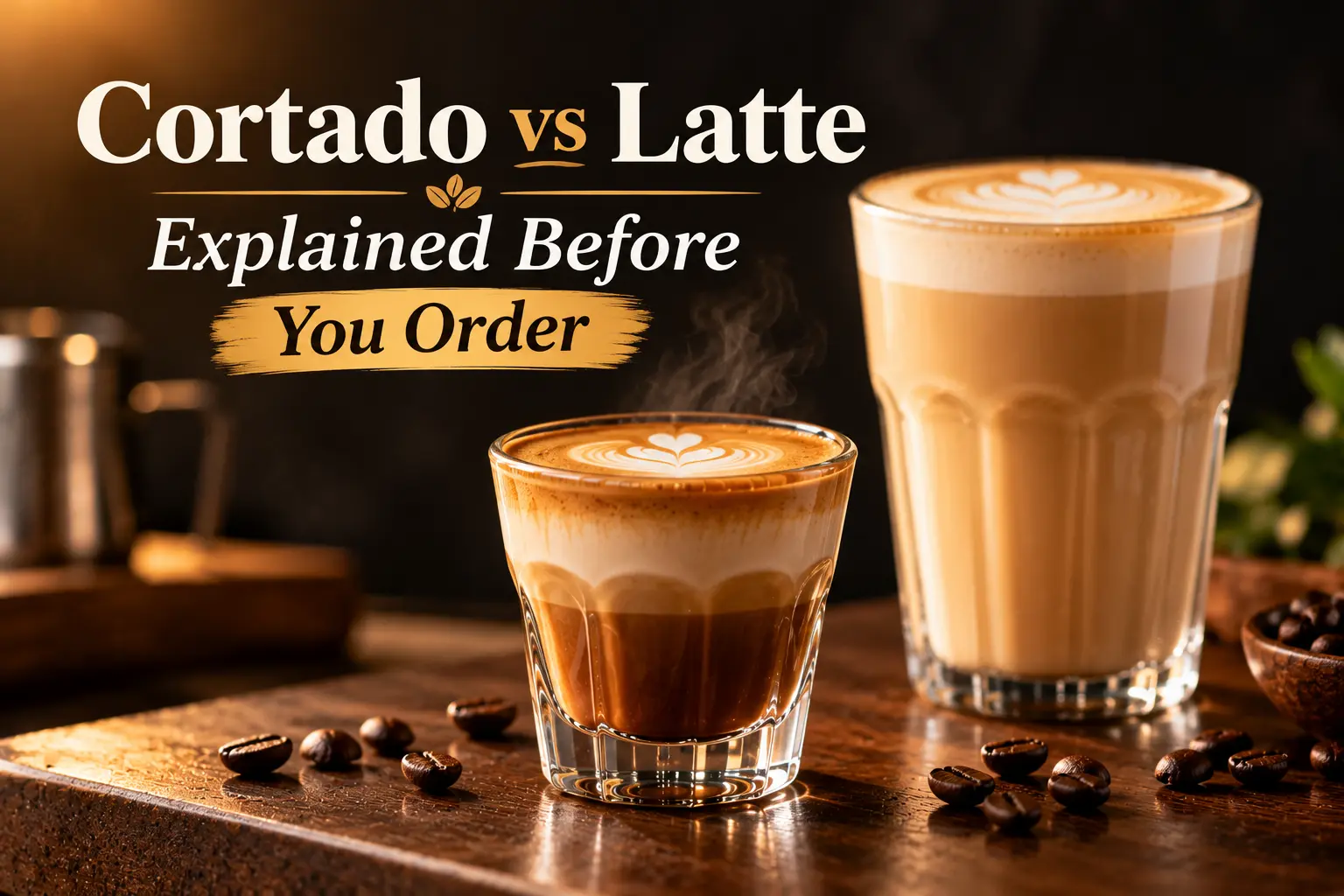
A cortado is a small espresso drink made by cutting a shot of espresso with an equal amount of warm milk. The name comes from the Spanish word cortar, which means to cut, and that is exactly what the milk does, softening the sharp edges of the espresso without hiding it. Cortado coffee is usually served short, with little to no foam, so the espresso stays front and center. People who enjoy the true flavor of espresso but find it too intense on its own often fall in love with this drink. In the cortado vs latte debate, this is the bold, focused side.
What a Latte Really Is
A latte, short for caffè latte, means milk coffee in Italian, and the name describes it perfectly. It starts with one or two shots of espresso, then adds a generous amount of steamed milk and a thin cap of foam. The result is creamy, smooth, and far less intense than a cortado. Lattes became a staple of American coffee shops because they are easy to enjoy and endlessly customizable, from plain to flavored. In the cortado vs latte comparison, the latte is the comfort side, built for slow sipping, long conversations, and anyone who prefers their coffee mellow rather than punchy.
The Ratio Behind Cortado vs Latte
Ratio is the single biggest difference. The classic cortado ratio is about one part espresso to one part milk, which keeps the coffee flavor strong and direct. A latte stretches the same espresso across three, four, or even five parts milk, which mellows the taste and makes the drink much larger. Think of it as volume control for the espresso. A cortado turns it down just a little, while a latte turns it down a lot. Once you understand that cortado vs latte is really a milk ratio question, the menu stops being confusing, and you can predict how a drink will taste before you order.
Size and the Gibraltar Glass
Size follows ratio. A cortado is traditionally served in a small glass of around four ounces, often called a Gibraltar glass, which suits a drink meant to be sipped quickly. A latte arrives in a taller glass or a wide mug holding eight to twelve ounces, sometimes more. Some shops pour a cortado slightly larger, so sources vary between four and six ounces, but it always stays small compared with a latte. When comparing cortado vs latte, size tells you what kind of break you are signing up for, a quick pause with a cortado or a long, relaxed sit with a latte.
Milk Texture and Foam
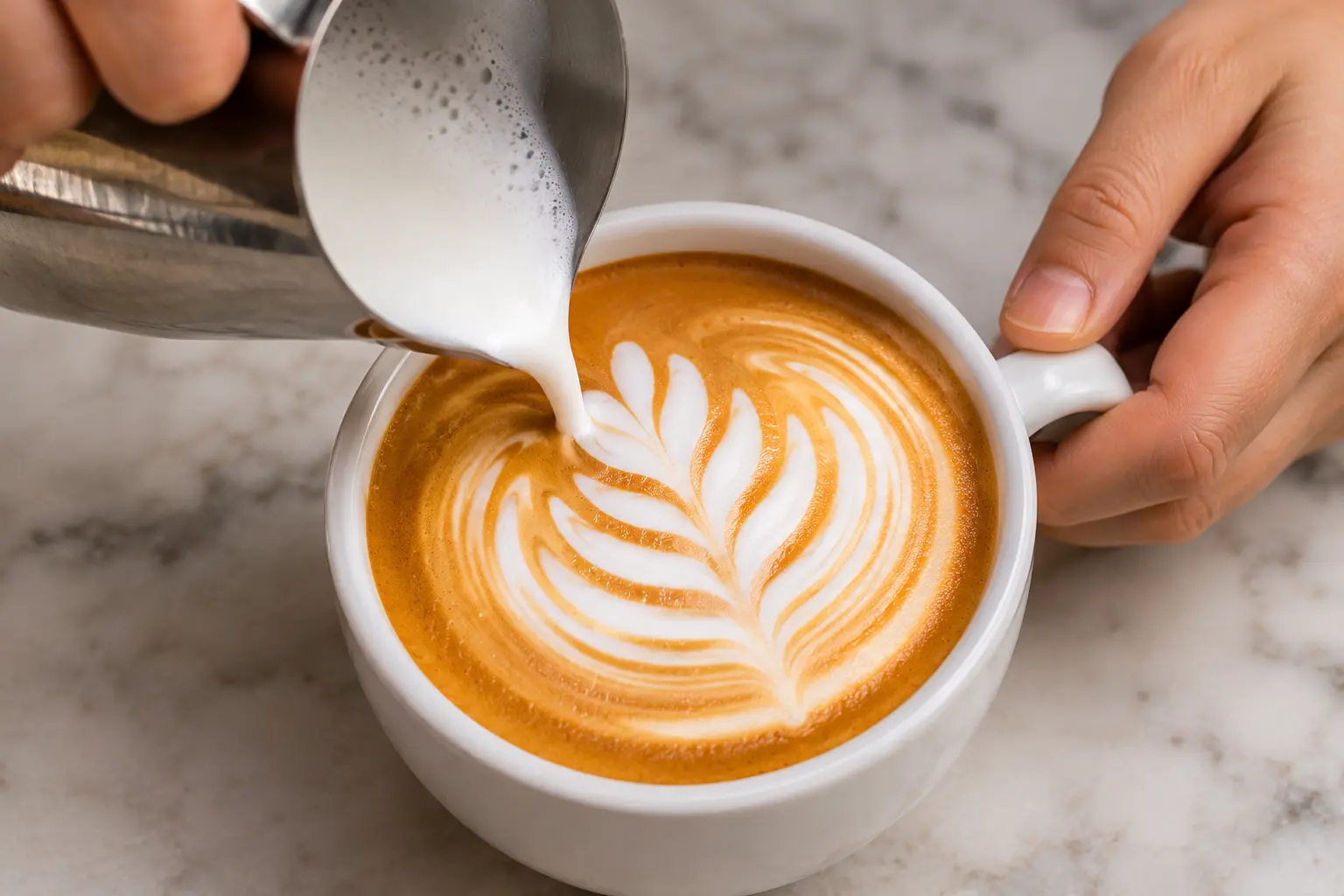
Texture is where the two drinks feel most different in the mouth. A cortado uses warm, lightly steamed milk with little to no foam, so it feels thin, silky, and smooth rather than airy. A latte uses milk steamed into fine microfoam, which gives it a velvety body and a soft layer on top, and it is the reason latte art is possible. In the cortado vs latte comparison, texture explains why a cortado feels sharp and clean while a latte feels rich and plush. Neither is better, they simply deliver different sensations, and many coffee lovers enjoy one of each depending on the day.
Flavor and Mouthfeel Side by Side
Flavor follows the milk. A cortado lets you taste the roast clearly, whether that means chocolate, caramel, nutty, or lightly fruity notes, because the small amount of milk only softens bitterness and acidity. A latte pushes the milk forward, so the coffee flavor becomes gentler, sweeter, and rounder. That is why lattes work so well with vanilla, caramel, or other syrups, while cortados are usually enjoyed plain. If you want to taste what an espresso bean really offers, the cortado vs latte choice points toward the cortado. If you want comfort and sweetness, it points toward the latte. Tasting them back to back makes the contrast obvious.
Is a Cortado Stronger Than a Latte
This is the most common question, and the answer has two parts. In flavor, yes, a cortado tastes stronger because it has less milk diluting the espresso. In caffeine, not necessarily, because caffeine depends on how many shots of espresso go into the cup, not on the drink name. A cortado and a latte made with the same number of shots contain about the same caffeine. Some shops make a cortado with two shots and a latte with one, which can flip the numbers. So in cortado vs latte, strength means taste, and if caffeine matters, ask the barista how many shots are in each.
Where Each Drink Comes From
Both drinks have European roots. The cortado traces back to Spain, especially Madrid and the Basque region, where people wanted the punch of espresso without so much bitterness, and it later spread across Portugal and Latin America. The latte comes from Italy, where milk coffee was a gentle morning drink, and it grew into a coffeehouse icon once American shops added larger cups, syrups, and latte art. Knowing this history adds a little meaning to the cortado vs latte choice, since you are really choosing between a small Spanish ritual and a big, comforting Italian classic. Both traditions are still alive today in coffee shops around the world, including here in Coppell.
Calories and Lighter Choices
Because a cortado uses less milk, it usually has fewer calories than a latte, often somewhere around fifty to eighty for a small whole milk version, compared with roughly one hundred twenty to two hundred for a larger latte. Sources vary, and the numbers shift with milk type and syrup. Flavored syrups can quickly raise a latte's calories and sugar, while a cortado is usually enjoyed plain. When weighing cortado vs latte from a lighter point of view, the smaller size is the main reason the cortado comes out ahead. Choosing a different milk, or skipping sweeteners, can lighten either drink without changing its basic character.
Cortado vs Latte for Different Moods
Choosing gets easier when you match the drink to the moment. Pick a cortado if you want bold coffee flavor, a quick break, or a way to enjoy espresso without bitterness. Pick a latte if you want something milder, longer, and more comforting, or if you like adding flavors. Many people switch between them depending on the time of day, a cortado for a focused morning and a latte for a relaxed afternoon. The cortado vs latte decision is not permanent, which is part of the fun of finding a coffee shop you can return to and try a different cup each visit.
Cortado vs Latte at Home or in a Coffee Shop
You can make both drinks at home, but they ask for different skills. A cortado needs a good double shot and gently warmed milk, ideally from an espresso machine, though a moka pot can make a decent stand-in. A latte needs more milk and the technique to steam it into microfoam. For many people, tasting the drinks at a coffee shop first is the easiest way to learn what they like. Ordering both cortado vs latte side by side gives you a benchmark you can use later at home, so you know exactly which flavor and texture you are trying to match.
Ordering Tips at the Counter
A few small habits make ordering smoother. Say the drink name and the size you want, and ask whether the cortado comes with one or two shots if strength matters to you. Both drinks can be made with dairy or plant-based milk, so ask which options are available. If you like sweetness, a latte handles flavor better, while a cortado is best plain or with only a tiny touch of spice or sweetener. When you are unsure between cortado vs latte, tell the barista how strong you like your coffee and let them guide you, since describing your taste works better than guessing from the name.

Other Drinks Worth Comparing
Once you understand cortado vs latte, other menu names make more sense. A macchiato keeps even more focus on espresso, as explained in our guide to macchiato vs latte. A cappuccino sits in the middle with more foam, which our cappuccino near me guide covers in detail. And for a closer look at the milkier side, read about the classic latte in Coppell. Seeing how these drinks relate helps you build a mental map of the whole espresso menu, so every future order feels like an informed choice rather than a guess. Ask the team at Sayfani if you would like to compare any of them in person.
Settle Cortado vs Latte at Sayfani Coppell
The best way to settle cortado vs latte is to taste both. Sayfani Coppell brings the same care it gives its Yemeni qahwa to every espresso drink, so you can compare a bold, small sip with a smooth, milky one in a warm and unhurried space. Visit us at 817 S MacArthur Blvd, Ste 120, Coppell, TX 75019, open daily 7 AM to 10 PM, and ask the team which style fits your taste. Order one of each, share with a friend, and see which cup wins your next visit. For more on how milk coffee evolved in Italy, this short overview of the latte is a helpful read.